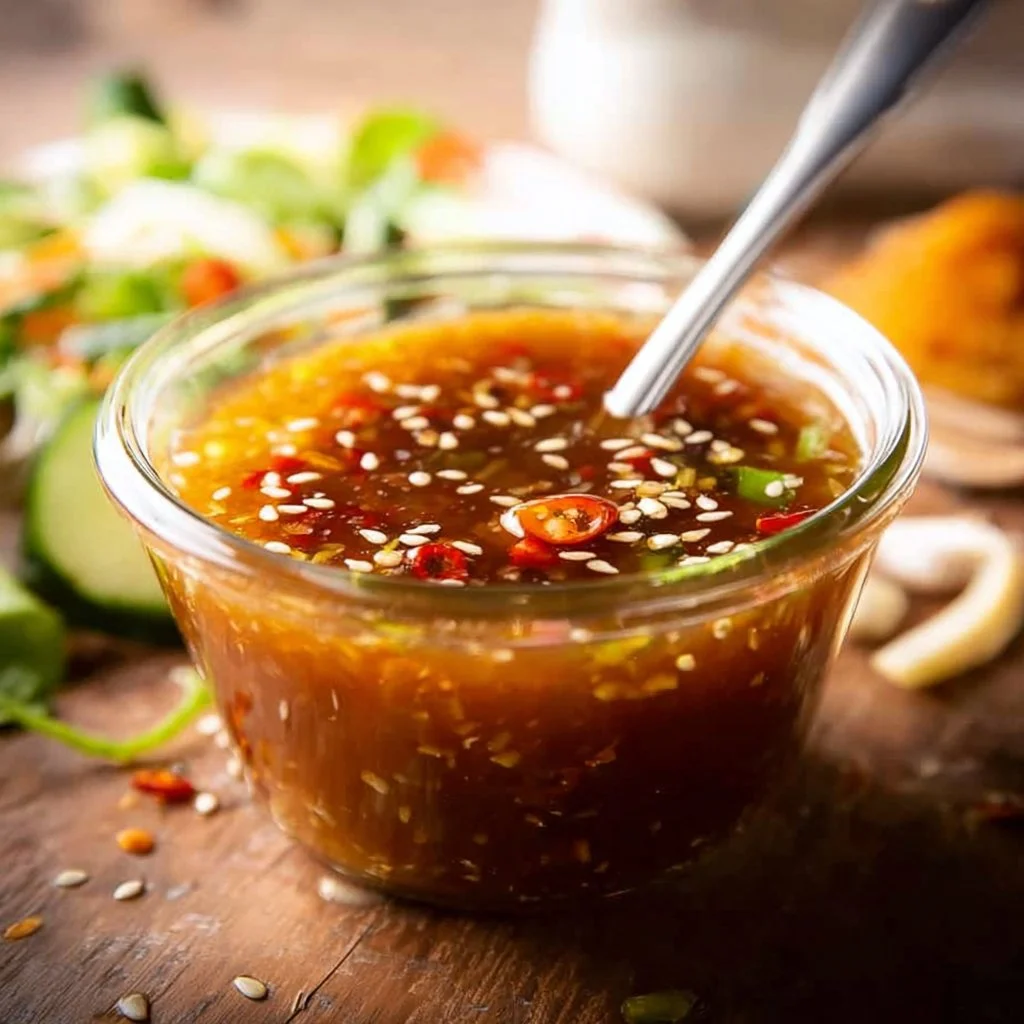
Asian salad dressing adds a vibrant and zesty flavor to any salad, elevating simple greens into a delightful experience. This dressing’s unique blend of sweet, savory, and tangy notes makes it a versatile option for many dishes. Whether you’re tossing a fresh garden salad, drizzling it over roasted vegetables, or using it as a dip, this dressing enhances your meals with a punch of flavor.
Why We Love This Asian Salad Dressing
You will appreciate this Asian salad dressing for its balance of flavors and ease of preparation. The combination of ingredients brings a fresh, uplifting taste to your salads. It’s perfect for those warm summer days when you want something light yet satisfying. This dressing allows for personalization, so you can tweak the flavors to suit your preferences. The ingredients are typically easy to find, making it both accessible and delightful. It’s not only a tasty addition but also a nutritious choice, packed with fresh ingredients that complement the health benefits of your salad ingredients.
Ingredients for Asian Salad Dressing
- ¼ cup soy sauce
- 2 tablespoons rice vinegar
- 1 tablespoon sesame oil
- 1 tablespoon honey or maple syrup
- 1 teaspoon fresh ginger, grated
- 1 teaspoon garlic, minced
- 1 tablespoon sesame seeds
- ½ teaspoon chili flakes (optional)
- Small pinch of salt and pepper
Directions
- In a medium bowl, combine the soy sauce, rice vinegar, and sesame oil, mixing well to blend the flavors.
- Add honey or maple syrup to the mixture and whisk until fully combined.
- Stir in the grated ginger and minced garlic, ensuring they are evenly distributed throughout the dressing.
- Incorporate the sesame seeds, adjusting the amount to your preference for crunch and flavor.
- If you enjoy a bit of heat, add the chili flakes and mix again.
- Season the dressing with a small pinch of salt and pepper, tasting to achieve your desired flavor balance.
- Pour the dressing into a jar or container with a tight-fitting lid and shake well to combine the ingredients thoroughly.
- Store the dressing in the refrigerator for at least 30 minutes before serving to allow the flavors to meld.
How to Serve Asian Salad Dressing
This Asian salad dressing is incredibly versatile. You can use it to elevate a range of salads, but it shines best with fresh greens, mixed vegetables, or even grain salads. Start by tossing the dressing with leafy greens, such as romaine or spinach, then add colorful vegetables like bell peppers, carrots, and cucumbers. You can include proteins like grilled chicken, shrimp, or tofu to make the meal heartier. This dressing also works wonderfully with slaw, giving a fresh take on cabbage salads.
For something unique, drizzle it over a noodle salad or as a dipping sauce for spring rolls or vegetable skewers. The dressing can even serve as a marinade for grilled foods. Experiment with various toppings such as toasted nuts or crispy fried onions for added texture. Regardless of how you serve it, your dishes will have a delightful Asian flair, making every meal feel special.
Expert Tips for Asian Salad Dressing
To create the best Asian salad dressing, freshness is key. Use fresh ginger and garlic instead of powders for a robust flavor. You can adjust the sweet and savory balance by experimenting with honey or maple syrup and soy sauce. If you want a thicker dressing, consider adding a little more sesame oil, which will also enhance the nutty flavor profile.
If you’re preparing the dressing ahead of time, remember that the garlic and ginger’s flavors will intensify as they sit. You might want to start with smaller amounts and adjust after the dressing has rested. For an even richer taste, lightly toast your sesame seeds before adding them to the mix; this step will release their oils and deepen their flavor. Finally, consider adding a splash of citrus juice, like lime or lemon, for an extra zing that brightens the dressing.


How to Store Asian Salad Dressing
Proper storage of your Asian salad dressing ensures it stays fresh for future use. After preparing the dressing, pour it into an airtight jar or container. Seal it tightly to prevent any air from altering the taste. Store the dressing in the refrigerator, where it can last up to a week. As time passes, the ingredients might separate; just give it a good shake before using it again. If you notice any off scents or changes in texture, it’s best to discard it.
For longer storage, consider freezing the dressing in ice cube trays. Once frozen, transfer the cubes to a zip-top bag, and you can conveniently thaw only what you need for each meal. This method allows you to enjoy your homemade dressing for several weeks without losing its flavored goodness.
Variations of Asian Salad Dressing
There are countless ways to adjust and personalize your Asian salad dressing. If you enjoy more citrus flavors, incorporate fresh lime or orange juice into the mix for a unique twist. For a creamier texture, you can whisk in a spoonful of peanut butter or tahini, which adds richness and an irresistible nutty flavor.
If you prefer a spicy kick, consider adding some sriracha or a dash of hot sauce to the dressing. You can also experiment with different sweeteners. Brown sugar, agave nectar, or coconut sugar can all provide their unique tastes, adjusting the overall flavor profile of the dressing.
Herbal additions can make the dressing feel fresh and vibrant. Chopped cilantro or mint brings an aromatic aspect, while green onions or chives can add a mild onion flavor. Consider adapting the dressing to accompany seasonal elements in your salads, using ingredients that highlight fresh produce. With these variations, your Asian salad dressing can always remain exciting.
FAQ about Asian Salad Dressing
What are the health benefits of Asian salad dressing?
Asian salad dressing typically includes ingredients like soy sauce, sesame oil, and fresh vegetables that bring beneficial nutrients. Soy sauce provides protein, while sesame oil contains healthy fats. The garlic and ginger added not only enhance flavor but also offer anti-inflammatory properties.
Can I make Asian salad dressing without soy sauce?
Yes! You can use tamari or coconut aminos as substitutes for soy sauce if you prefer a gluten-free option or want to reduce sodium. Both alternatives maintain a similar flavor profile while keeping the dressing delicious.
How do I adjust the thickness of my dressing?
To thicken your dressing, you can add more sesame oil or incorporate a small amount of peanut butter or tahini. Mixing in a little cornstarch slurry (cornstarch mixed with water) can also help thicken the dressing when heated.
Is Asian salad dressing suitable for marinating meats or vegetables?
Absolutely! This dressing works wonderfully as a marinade for proteins and vegetables. Just allow the items to marinate for 30 minutes to several hours before cooking for an enhanced flavor experience.
How long does homemade Asian salad dressing last in the refrigerator?
Homemade Asian salad dressing can last up to a week when stored correctly in an airtight container in the refrigerator.