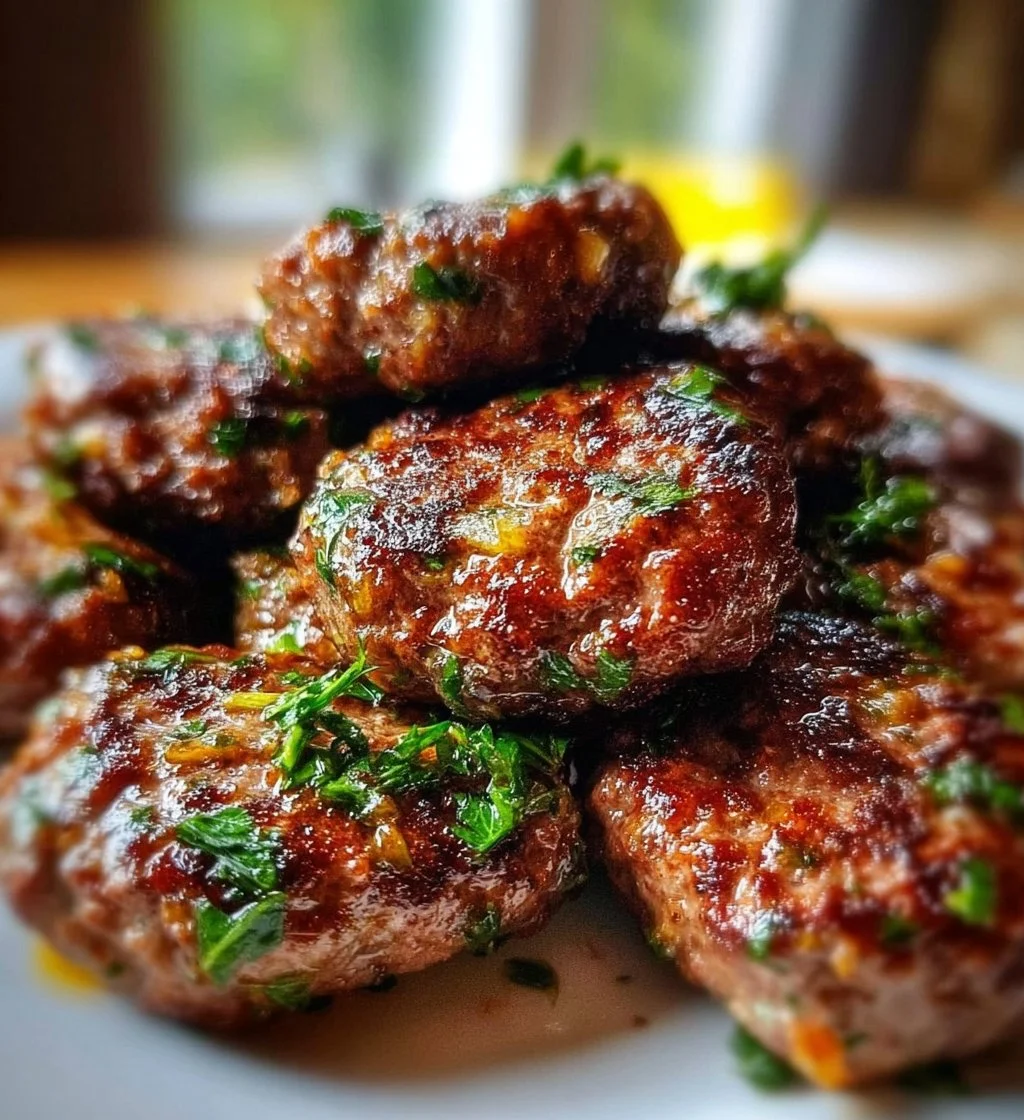
You’ll find that Lebanese kafta is a delightful dish packed with vibrant flavors, irresistible aromas, and a satisfying texture. This dish typically consists of minced meat, herbs, and spices, all blended harmoniously to create a truly mouthwatering experience. Perfect for any meal, Lebanese kafta offers versatility and can be enjoyed in many ways. Let’s explore why this dish has become a favorite among so many food lovers.
Why We Love This Mouthwatering Lebanese Kafta
The love for Lebanese kafta comes from its rich flavor profile and juicy texture. With a combination of ground meat—typically beef or lamb—mixed with fresh herbs like parsley, mint, and a blend of aromatic spices, kafta packs a punch that excites the palate. The skillet, grill, or oven perfectly cooks it, leading to a beautiful caramelization that enhances its taste.
It also provides numerous serving possibilities. You can pair kafta with rice, salad, or inside pita bread for a satisfying meal. The balance between juicy meat and fresh herbs creates a delicious experience that appeals to both meat lovers and those who enjoy fragrant vegetarian accompaniments.
Beyond taste, Lebanese kafta carries cultural weight, often appearing at family gatherings and celebrations. It’s a dish that invites sharing and fosters connection. This combination of flavor, versatility, and tradition explains why Lebanese kafta holds a special place in many culinary hearts.
Ingredients for Mouthwatering Lebanese Kafta
- 1 pound ground beef or lamb
- 1 medium onion, finely chopped
- 2 cloves garlic, minced
- 1/4 cup fresh parsley, finely chopped
- 2 tablespoons fresh mint, finely chopped
- 1 teaspoon ground cumin
- 1 teaspoon ground coriander
- 1 teaspoon allspice
- 1/2 teaspoon cinnamon
- Salt and pepper, to taste
- Olive oil, for grilling or frying
Directions
- In a large mixing bowl, combine the ground meat, chopped onion, minced garlic, parsley, and mint.
- Add the cumin, coriander, allspice, cinnamon, salt, and pepper to the meat mixture. Mix everything together until well combined. You can use your hands for a more thorough blend.
- Cover the bowl with plastic wrap and refrigerate the mixture for at least 30 minutes. This step helps the flavors meld properly.
- Preheat your grill or skillet to medium-high heat. Lightly brush the cooking surface with olive oil to avoid sticking.
- Shape the meat mixture into oval patties or skewers, ensuring they hold together firmly.
- Cook the kafta on the grill or skillet for about 7-10 minutes on each side, or until browned. You want the internal temperature to reach at least 160°F (70°C) for safe consumption.
- Once cooked, transfer the kafta to a plate and let it rest for a few minutes before serving.
How to Serve Mouthwatering Lebanese Kafta
Greek and Mediterranean influences make Lebanese kafta a versatile dish. When serving, consider presenting it alongside flavorful sides. A traditional approach includes serving the kafta on a bed of fluffy rice seasoned with saffron or turmeric. This not only adds color but enhances the overall dining experience.
You can also include a fresh salad made with cucumbers, tomatoes, onions, and parsley, drizzled with a tangy lemon dressing. The crispness of the salad pairs wonderfully with the rich kafta.

Another popular serving method is to place the kafta in pita bread, along with sliced veggies and tahini or yogurt sauce. This creates a delicious wrap that’s perfect for a casual meal or lunch.
Finally, you might choose to complement the kafta with dips like hummus or baba ganoush. These dips enhance the flavors and provide a creamy contrast to the grilled meat. Don’t forget to serve some pickles on the side for an extra crunch and tang that brightens the plate.
Expert Tips for Mouthwatering Lebanese Kafta
To take your kafta to new heights, consider these expert tips. First, ensure you use fresh herbs, as they significantly impact the overall taste. Fresh parsley and mint bring brightness and flavor to the dish; dry herbs won’t have the same effect.
Pay attention to the meat quality. A blend of fatty and lean cuts creates a perfect balance of flavor and juiciness. Look for ground beef or lamb that has some fat content for the best results.
When mixing the meat, avoid overworking it. Gently combine the ingredients until just mixed to keep the kafta tender. If the mixture feels too wet, adding a little breadcrumb can bind it better without losing moisture.
For the cooking process, keep an eye on the heat level. An overly hot grill can cause the kafta to brown too quickly, leading to dry centers. Aim for a steady medium-high heat to cook them evenly.
Lastly, let the kafta rest for a few minutes after cooking. This step allows the juices to redistribute, making each bite tender and flavorful.
How to Store Mouthwatering Lebanese Kafta
If you have leftover kafta, proper storage is essential to maintain its flavor and texture. Allow the kafta to cool completely before placing it in an airtight container. You can keep it in the refrigerator for up to three days.
For longer storage, consider freezing the kafta. Wrap each patty in plastic wrap and place them in a freezer-safe bag or container. When stored properly, they can last for up to three months in the freezer.
To reheat, thaw the kafta in the refrigerator overnight and then warm it in the oven or on a skillet over medium heat. Add a splash of olive oil for additional moisture, ensuring it heats evenly without drying out.
Variations of Mouthwatering Lebanese Kafta
While traditional Lebanese kafta is mouthwatering on its own, there are many variations to explore. One popular alternative is kafta bil sanieh, where the meat mixture is spread out in a baking dish, topped with sliced tomatoes and baked. This gives it a different texture and makes it an easy dish to serve at gatherings.
You might also try vegetable-infused kafta. Incorporate grated zucchini or chopped bell peppers into the meat mixture for an added nutritional boost and moisture. This version works great for those looking to add some veggies to their meals.
If you want a spicier kick, consider adding minced chilies to the meat blend. Adjust the heat level to your preference for a dish that packs more of a punch.
For a unique twist, experiment with different meat types. Ground chicken or turkey can be excellent alternatives, providing a lighter take on the traditional dish. Just remember that the cooking time may vary slightly with different meats.
FAQ about Mouthwatering Lebanese Kafta
How do I know when the Lebanese kafta is cooked?
Use a meat thermometer to check the internal temperature. The kafta should reach at least 160°F (70°C) for safe consumption.
Can I make Lebanese kafta ahead of time?
Yes, you can prepare the meat mixture a day in advance and store it in the refrigerator until you’re ready to cook.
What sides pair well with Lebanese kafta?
Lebanese kafta pairs well with rice, fresh salads, pita bread, and dips like hummus or garlic sauce.
Can I grill Lebanese kafta indoors?
Yes, you can cook kafta indoors on a skillet or grill pan. Just be sure to keep the heat at medium to ensure an even cook.
Is Lebanese kafta spicy?
Traditional Lebanese kafta is not inherently spicy but features aromatic spices that provide warmth. You can customize the heat by adding chilies if you prefer a spicier version.